
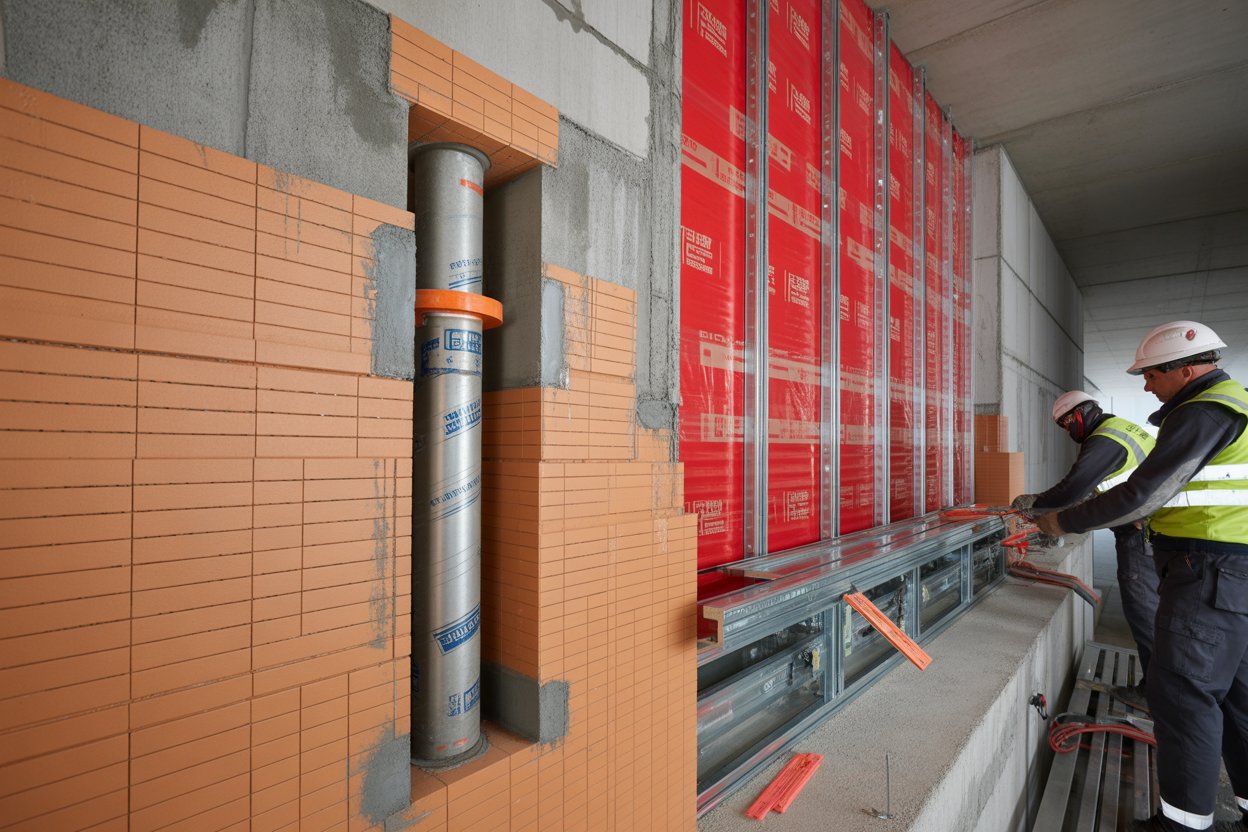
One unseen gap behind a wall can be all it takes for fire to rush through an entire building.
Here’s the thing: when most people think about fire safety, they think about alarms, sprinklers, and fire extinguishers. What they rarely think about are the hidden spaces inside the walls, floors, and ceilings. These hidden voids are where fire spreads fastest and most dangerously.
Fire safety experts across the UK agree that a large number of serious building fires grow out of control not because of open flames, but because of poor compartmentation. That is exactly where cavity barriers fire protection steps in. It works quietly behind the scenes to slow fire, block smoke, and give people time to escape.
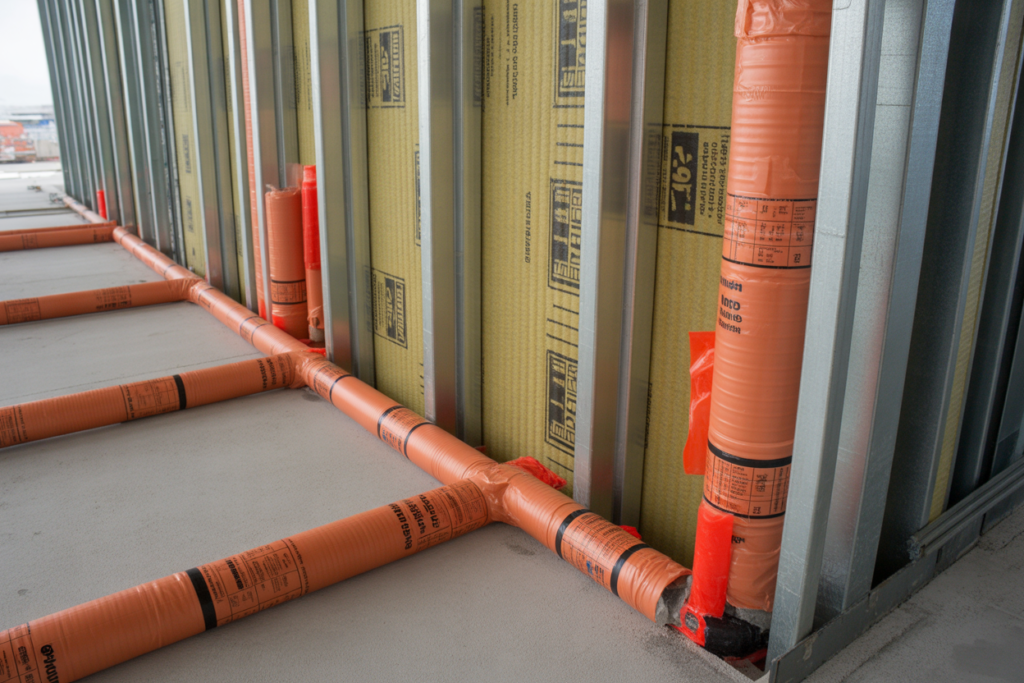
In real buildings, fire rarely behaves in neat ways. It finds paths through service gaps, ceiling voids, and wall cavities. If those gaps are not sealed correctly, fire spreads fast and without warning.
Before we go deeper, here are the key takeaways you’ll gain from this guide:
- How cavity barriers control hidden fire spread
- Why fire-stopping sealants matter at service gaps
- How structural fire protection works in walls and floors
- Where Cavity Barrier Installation fits into your fire safety plan
- What does this all mean for your legal duty and building safety
How Passive Fire Systems Control Fire Across Buildings
Passive fire systems do not wait for fire to start. They stay in place at all times, guarding every unseen path fire could use. Their main job is simple. Slow the fire. Stop the smoke. Buy time.
Passive Fire Barrier and Hidden Fire Pathways
A passive fire barrier is any built-in system that blocks flame and smoke movement. You find these barriers in:
- Wall cavities
- Ceiling voids
- Floor gaps
- Service routes
Without them, fire moves like air through a vent. With them, that movement stops.
Key risks without a passive fire barrier include:
- Rapid smoke spread
- Toxic gas build-up
- Faster structural failure
This is why passive systems sit at the core of British building safety.
Why Cavity Barriers Matter for Compartmentation
Compartmentation means dividing a building into fire-resistant zones. If one of the zones is destroyed, and the rest is not affected for a predetermined period of time.
Cavity Barrier Installation UK Standards and Control
Across the country, cavity barrier installation UK rules ensure that fire does not race through wall voids and roof gaps. Barriers must be placed:
- Between wall panels
- At floor edges
- In roof spaces
- Around window openings
If these points are left open, the fire can skip entire floors within minutes.
Cavity Barriers Fire Protection in Real Buildings
Let’s look at a real-world example. A refurb project in a residential block included full cavity protection during upgrades. Months later, a fire broke out in a single flat due to an electrical fault. The flames reached the wall voids but could not travel upward. The result? Two flats were damaged, and the rest of the building was saved.
That is cavity barriers fire protection doing its job in real life.
“Cavity barriers don’t stop fires from starting, but they stop them from spreading. That is where lives are saved.”
How Fire-Stopping Sealants Add a Second Line of Defence
Walls and floors are only as strong as their weakest opening. That weak point is often service penetrations.
Fire Stopping Sealants and Heat Response
Fire-stopping sealants expand when exposed to heat. As pipes and cables melt, the sealant swells to close the gap. This blocks flame and smoke at the weakest stage of fire growth.
They are used around:
- Electrical trunking
- Plumbing pipes
- Ventilation ducts
Used correctly, fire-stopping sealants help restore the fire resistance rating of a wall or floor.
Fire Penetration Seals and High-Risk Gaps
Where many services run through one space, fire penetration seals become critical. These seals sit around clustered service routes and stop fire from using these routes as fast travel lanes.
Without proper fire penetration seals, a fire on one floor can reach another in minutes.
Structural Firestopping Inside Walls and Floors
Fire spreads very differently through vertical and horizontal structures.
Structural Firestopping Walls & Floors in Practice
Structural firestopping walls & floors block these travel routes. You’ll find them in:
- Apartment blocks
- Hospitals
- Offices
- Care homes
These systems keep fire locked in one zone long enough for rescue crews to act.
A second layer of structural firestopping walls & floors is often added during refurb work where new service routes are introduced.
Where Cavity Barrier Installation Fits into Fire Safety Planning
Fire alarms warn you. Sprinklers fight the flames. Cavity barriers stop the fire from travelling in the first place.
Cavity Barrier Installation in Construction Projects
Cavity Barrier Installation takes place during:
- New build construction
- Major refurb work
- External cladding upgrades
When barriers are fitted late or missed entirely, inspectors often uncover long open cavities that allow fire to race through the structure.
Cavity Barrier Installation and Ongoing Building Safety
A second phase of Cavity Barrier Installation often happens during upgrades. Buildings change. Service routes shift. Walls move. Barriers must keep pace with these changes.
Routine inspection following cavity barrier installation, UK guidance ensures protection stays intact.
How Barriers and Sealants Work Best Together
A passive fire barrier slows fire across voids. Fire penetration seals close openings that cut through those barriers. Fire-stopping sealants protect service gaps. Together, they form one complete fire control layer.
When one part fails, the whole system weakens.
This layered protection is exactly how CA Fire Protection approaches real building safety projects across the UK.
The Real Cost of Ignoring Passive Fire Protection
Most fire losses do not stem from the damage caused by flames alone. The most significant impact usually results from:
- Smoke damage
- Water damage
- Legal action
- Insurance disputes
- Building closure
One unsealed service opening can trigger all of that.
Buildings with poor passive fire systems face serious risk under UK safety law. Fire safety is not a box to tick. It is a legal duty.
Practical Comparison Table: How Fire Spread Is Controlled
| Fire Risk Area | Without Protection | With Proper Fire Protection |
| Wall cavities | Fire spreads unseen | Fire stops at the barrier |
| Service gaps | Smoke moves floor to floor | Seals block the fire path |
| Ceiling voids | Heat builds rapidly | Compartmentation limits spread |
| Floors | Vertical fire travel | Structural firestopping resists |
What You Should Prioritise First
If you manage or own a building, start here:
- Inspect old service penetrations
- Check for missing cavity barriers
- Review refurbishment records
- Book a professional fire survey
Fire safety isn’t optional. It’s your responsibility.
Cavity Barriers Fire Protection as a Legal and Life-Saving Investment
Here’s what this all really means. Cavity barriers fire protection is not only about law and compliance. It is about rescuing time. It is about stopping panic from spreading faster than the fire itself.
When barriers, sealants, and structural systems operate together, a building works with the fire service instead of against it.
This approach is at the core of how CA Fire Protection designs and maintains passive fire systems across residential and commercial buildings.
Fire will always try to spread. Your job is to make sure it can’t.
Stop Fire Before It Spreads: The Silent Shield Inside Your Building
Fire does not care about paint, decor, or concrete. It follows air. It follows gaps. It follows weakness.
The right combination of cavity barriers, fire-stopping sealants, fire penetration seals, and structural protection gives your building a fighting chance long before emergency services arrive.
If you want your building assessed, upgraded, or protected by specialists who work strictly to UK safety standards, now is the right time to act.
Book a professional passive fire inspection today and protect the people who rely on your building every day.
They stop fire and smoke from travelling through hidden building voids.
When installed correctly, they last for the life of the building unless disturbed.
Yes, they are a requirement under Building Regulations for compartmentation.
Around pipes, cable trays, and duct routes between floors.
Yes, passive fire systems can be added safely during refurbishment projects.